Sending Our Money Out Of State
Industrial agricultural companies are often run by out of state investors who extract profits from Nebraska. In the case of Costco/Lincoln Premium Poultry, 75% of the barns are owned by a North Carolina investment fund. This investor run, industrial model yields less care for our land, less accountability to neighbors, and more extraction of local wealth.
Several large industrial agricultural companies in Nebraska are actually owned by foreign companies. For instance, Smithfield is Chinese-owned and JBS Swift is Brazilian-owned. Blackshirt Feeders, a proposed 150,000 head cattle feeding operation in Dundy County has Canadian investor ownership.

Rural Poverty
There was a time when there were more family farming businesses, and when working in meatpacking was a solid middle class job. But the rapid loss of family farms coupled with decades long of suppressed wages for meatpacking workers have hit rural areas hard. This recipe for increased rural poverty was brewed by a small handful of global companies, who continue to take from the farmers' and meatpackers' profit at the detriment of all of rural Nebraska.

Weakening Of Local Control
Industrial agricultural companies are impeding on Nebraska’s local decision making authority by spending money to influence state and local officials. Smithfield, Tyson, and Costco/Lincoln Premium Poultry have all recently lobbied to weaken local control and family farm agriculture.
Examples include supporting legislation in Nebraska’s Unicameral that would eliminate nuisance protections for rural residents, by supporting so-called “right to farm” legislation. These kind of laws would give industrial ag companies immunity from harming farm and rural neighbors. The industrial agriculture lobby also continues to push for legislation that allows industrial companies to own livestock creating an unfair competitive advantage over Nebraska farmers.

Increasing Water Degradation
Excessive amounts of animal waste puts local water resources, and the public’s health at risk. According to a John Hopkins Research Letter to Fremont officials, the Costco broilers would produce 3,910,000 pounds of waste per day, or more than twice the equivalent amount of human waste generated daily by the entire City of Omaha. The letter also warns us about the increased competition of water supplies between communities and Costco's 500 barn system.
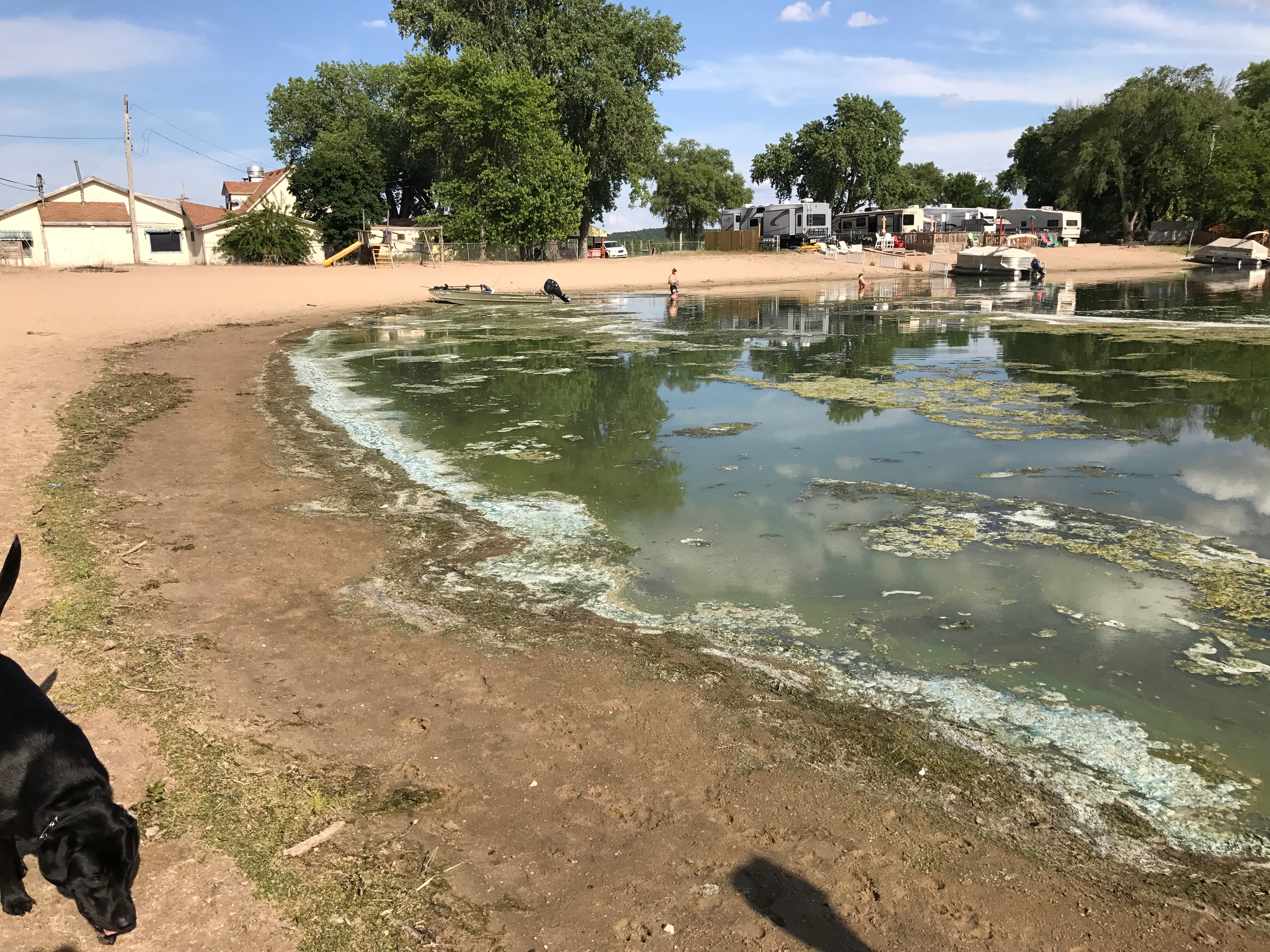
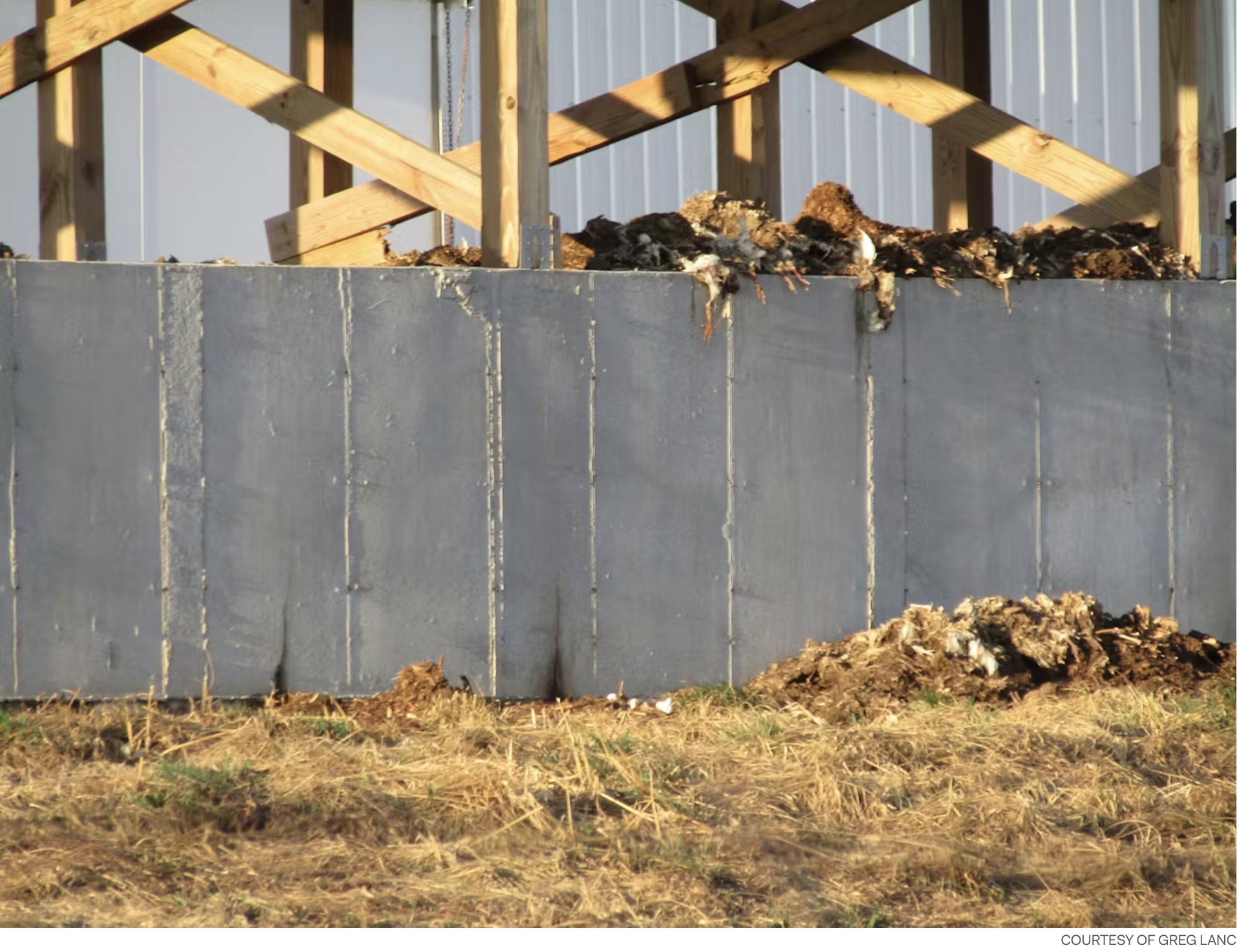
There have already been several serious outbreaks of avian flu in poultry barns in Nebraska. Uniform flocks or other livestock species are bred with a weak immunity to disease which allows for increased infection. While rare, virus can evolve and infect humans. NCU advocates to mitigate all preventable risks associated with industrial agriculture.
CAFO Emissions Increase Respiratory Issues
Evidence shows emissions from CAFO's increases chances of respiratory illness for those who reside nearby. Increased repiratory illness is another alarming, but not surprising trend associated with the increase of large CAFO's.

Bad Contracts Remind Us Of Indentured Servitude
Bad contracts put Nebraska farmers at serious risk by shifting liabilities away from the industrial company and onto the grower. Industry contracts have historically bankrupted growers in other states. Furthermore, industrial meatpacking workers face enormous workplace challenges with very few health safeguards nor workers' benefits.
